
✨Excited to share a new publication written with Xavier Parareda Merino: “Exploring the Beauty of Tradition: How Fractal Geometry Influences Visual Attention in Architectural Design.” Published in Spain by the Journal of Traditional Building, Architecture and Urbanism and the Traditional Building Cultures Foundation. A special thanks to my former student Joshua Lythgoe for inspiring the study.
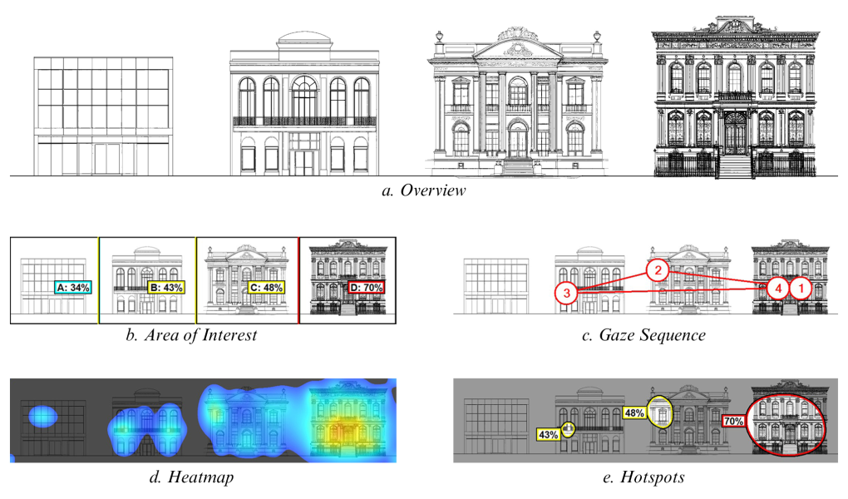
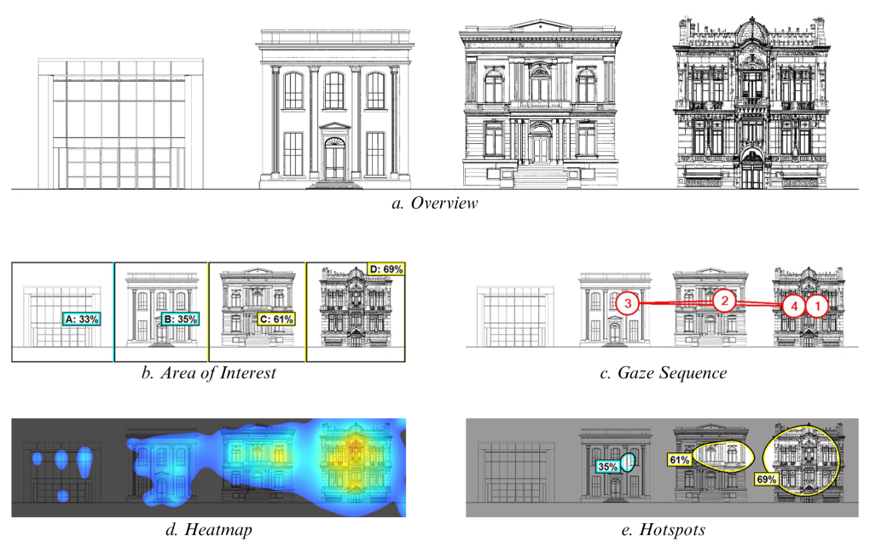
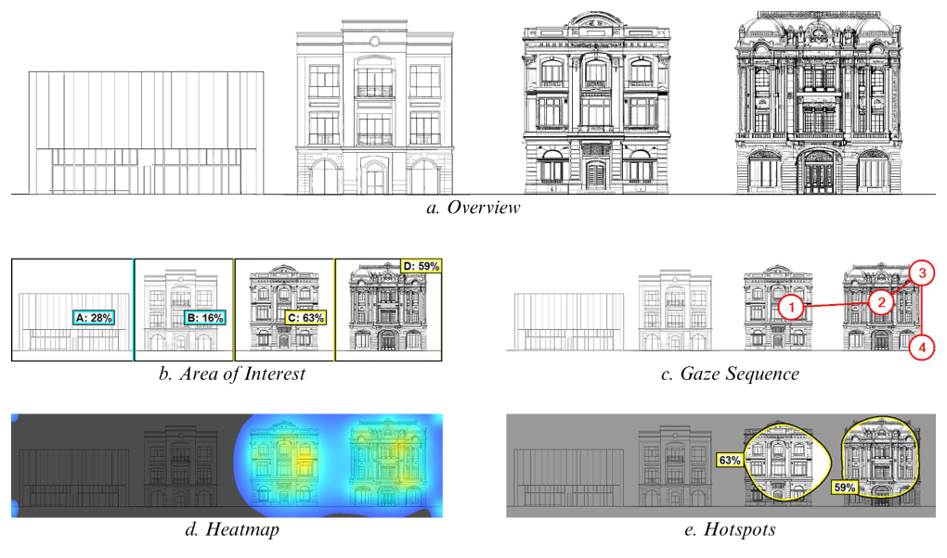
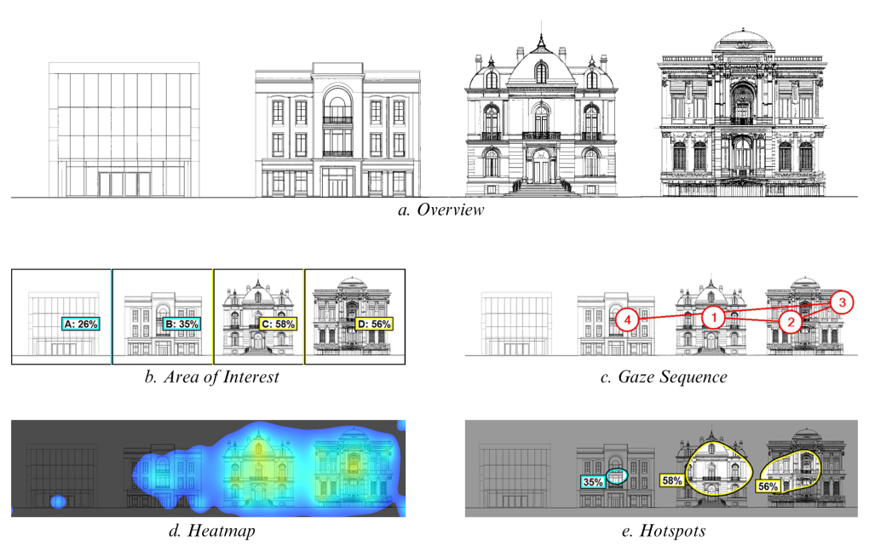
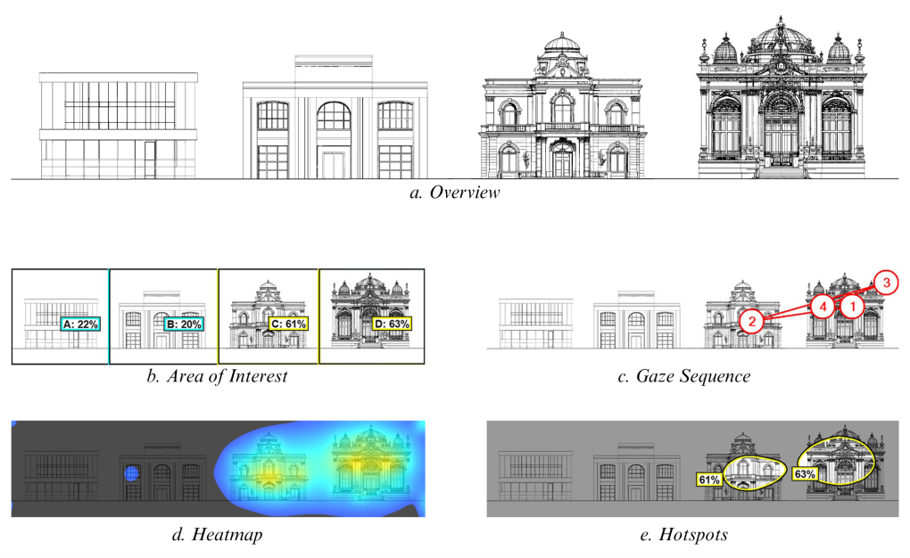
🔍In this study, we used AI-generated facades, fractal dimension analysis (box-counting), and eye-tracking emulation to test a simple question: Do beautiful traditional buildings capture visual attention differently than simpler designs?
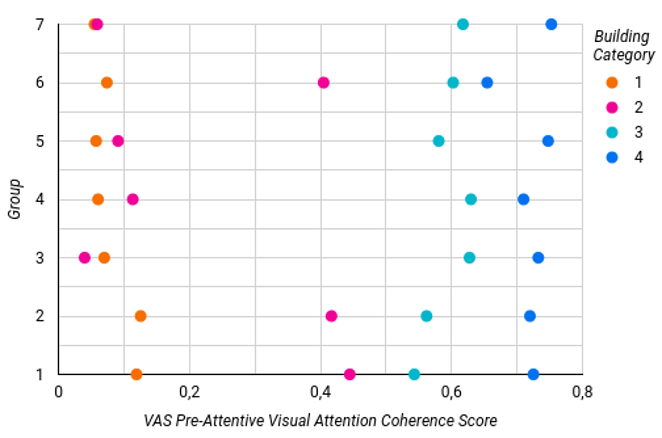
Our findings suggest yes: facades with richer fractal qualities and organized complexity attract the eye more quickly, even before cultural or contextual meanings come into play.
🏛️Why it matters: This bridges architecture, perception, and AI—offering new evidence for why traditional and classical forms continue to resonate on a human level. If you’re interested in architectural beauty, neuroaesthetics, or design research, we invite you to read our findings and share your thoughts!




JOURNAL PUBLICATION
CITATION: Brandon R. Ro and Xavier Parareda, “Exploring the Beauty of Tradition: How Fractal Geometry Influences Visual Attention in Architectural Design”. Journal of Traditional Building, Architecture and Urbanism, no. 6 (November 2025). Toledo, Spain: 366-84. https://www.traditionalarchitecturejournal.com/index.php/home/article/view/891
Link to download the PDF: https://www.academia.edu/145030445/Exploring_the_Beauty_of_Tradition_How_Fractal_Geometry_Influences_Visual_Attention_in_Architectural_Design
ABSTRACT: Traditional, classical, and vernacular architectural forms often exhibit fractal qualities that enhance aesthetic appeal and engage the human eye. This study explores whether the complexity and ornamentation found in traditional designs have measurable impacts on how people unconsciously perceive and visually engage with buildings. Through analyzing 28 facades generated with artificial intelligence, we calculated the fractal dimension of each one by the box-counting method. Unconscious visual attention was then predicted using eye-tracking emulation software to determine which fractal qualities capture most attention. Our results show a significant correlation: buildings with more fractality and organized visual complexity tend to capture more pre-attentive visual attention before viewer cultural associations come into play. These findings highlight the enduring appeal of the proportional complexity, fractal scaling, ornamentation, and intricate geometries found in traditional architecture. The fractal patterns inherent in traditional buildings may contribute to human visual experience, aesthetic appreciation, and psychophysiological health.
KEYWORDS: Architectural Complexity, Artificial Intelligence, Fractal Box-Counting Method, Neuroaesthetics, Pre-Attentive Vision, Eye-Tracking Simulation
CONFERENCE PRESENTATION
I’m honored to have presented a paper with my colleague Xavier Parareda Merino at the 5th International Conference on Traditional Building, Architecture and Urbanism in Úbeda, Spain on November 15-17, 2024. Our paper titled “Exploring the Beauty of Tradition: How Fractal Geometry Influences Visual Attention in Architectural Design” was featured as one of the online lectures. Watch our presentation and learn more below:
CITATION: Brandon R. Ro and Xavier Parareda. “Exploring the Beauty of Tradition: How Fractal Geometry Influences Visual Attention in Architectural Design.” Paper presented at the 5th International Conference on Traditional Building, Architecture and Urbanism, Úbeda, Spain, November 15-17, 2024. Available online: https://youtu.be/sTWthlrDL1s?si=3NqR8IG9ZVwFIXUE
VIDEO PRESENTATION:
 Tetrad Architecture & Planning